
The IMP @ the Vienna Biocenter hosts the European Symposium on Single Cell Proteomics (ESCP) for the 7th time, from September 1st – 3rd 2026.
You are invited to join the Bruker exceed meeting right after the DVP workshop on the first day of the symposium, find all details and register here.
This year following ESCP on September 4th -5th we will further host the scverse x single-cell proteomics 2026 hackathon at the Vienna Biocenter.
Building on the success of the previous symposium with over 240 registered participants, we continue the tradition of the European Symposium on Single Cell Proteomics.
Stay tuned for updates
We will take photos during the event, check our privacy guidelines.
Please use our abstract template within the registration form to submit a contribution
Due to space limitations at the venue we might close registration earlier in case of maximum number of participants reached.
Of note nor APMA, the IMP or we as organizers collaborate with any hotel booking service, especially not with Expo Hotel Services. We do not pass any of your data to third party organizations. Please be assured that if you are contacted by them, that they did not receive any information from us and that we are not in any relationship with them. Please note, that we cannot issue visa invitations to participants. Please further note, that our maximum capacity for on-site participants is 200, and we will fill places on the first come, first served principle.
Venue
Research Institute of Molecular Pathology (IMP)
Campus-Vienna-Biocenter 1
1030, Vienna, Austria
IMP lecture hall
Registration
The 7th ESCP is free of charge, but registration is required
Deadline for abstract submission: July 1st 2026
Deadline for registration: August 18th 2026
(subject to change on short notice if capacity is reached)
Organization and Contact
| Karl Mechtler | karl.mechtler@imp.ac.at | Protein Chemistry Techhub; VBC |
| Manuel Matzinger | manuel.matzinger@imp.ac.at | Protein Chemistry Techhub; IMP |
| Erwin Schoof | erws@dtu.dk | Cell Diversity Lab;Technical University of Denmark |
| Fabian Coscia | fabian.coscia@mdc-berlin.de | Max-Delbrück-Centrum für Molekulare Medizin |
Speaker LineUP

Bogdan Budnik, Principal Scientist, Wyss Institute for Biologically Inspired Engineering, Boston, MA, USA; BD HPP Chair and EC member at HUPO
Bogdan has over 20 years of extensive experience in mass spectrometry-based proteomics analysis in the characterization of peptides and proteins utilizing a broad range of biological samples. At the Wyss Institute he helps to lead the Multi-omics Discovery Engine (MoDE) under the Diagnostics Accelerator (Wyss DxA) with the goal of catalyzing innovation in the fields of therapeutics and diagnostics. During the last 15 years, prior to this role at the Wyss, he was the Director of the Proteomics Laboratory at Harvard University supporting a variety of scientific projects for the larger Harvard community and its associated researchers.
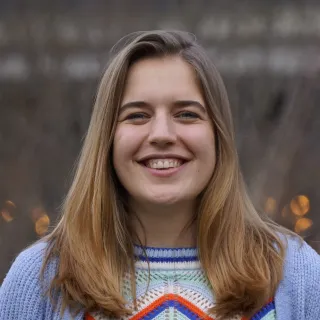
Tine Claeys, Post-doctoral researcher – Compomics – VIB-Ugent Center for Medical Biotechnology, UGent, Belgium
During her PhD Tine mainly focused on the reuse of public proteomics data to uncover tissue-specific protein and PTM patterns from a machine learning perspective, before she joined the group of Lennart Martens for her Post Doc to develop the bioinformatics components needed to enable sensitive DIA for tissue leakage proteins. In parallel, she is engaging the proteomics community to improve metadata annotation and the AI-oriented reusability of public proteomics data.

Vadim Demichev, MSTARS Group Leader at Charité, Berlin, Germany
Expert for high-throughput proteomics and author of DIA-NN. In 2024 he co-founded Aptila Biotech, a DIA-NN Enterprise aiming to keep advancing LC-MS proteomics as a reliable and streamlined technology that ensures quantitative accuracy.
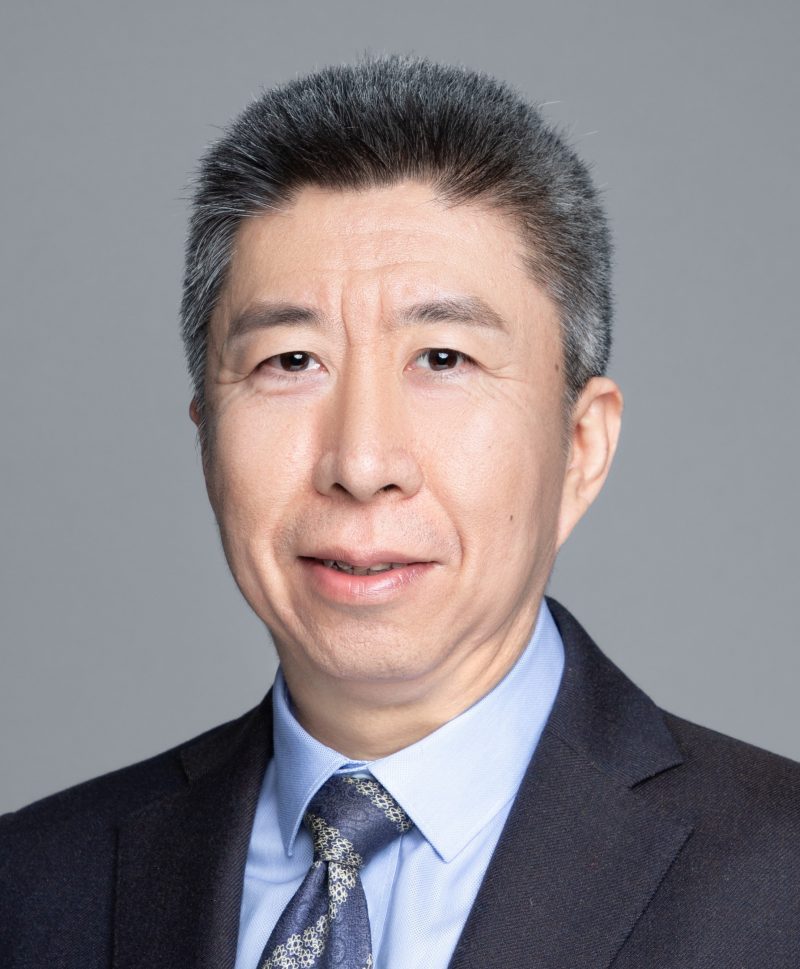
Qun Fang, Dishtinguished Professor in the Department of Chemistry at Zhejiang University, and the Director of Institute of Microanalytical Systems at Zhejiang University, Hangzhou, China
His research interests focuses on droplet-based microfluidic analysis, microfluidic mass spectrometry, capillary electrophoresis and liquid chromatographic analysis, miniaturization of analytical instruments, and the application of these techniques and systems in single cell analysis, high-throughput screening, biochemical analysis, clinical diagnosis, and point-of-care testing. He has published more than 120 peer-reviewed papers in these areas, and has 22 patents issued in the area of microfluidics. He is the recipient of the China National Funds for Distinguished Young Scientists (2008) and the Liang Shu-Quan Award for Fundamental Research in Analytical Chemistry by Chinese Chemical Society (2015).

Tami Geiger, Associate Professor at the Weizmann Institute of Science, Rehovot, Israel
Tami develops novel single cell proteomic approaches, and combines them with tumor analyses and bioinformatics to characterize cellular interactions within the tumor microenvironment, and how these interactions associate with response to immunotherapy. Her lab further investigates the association between the proteomic level and the genomic and transcriptomic levels aiming to elucidate gene-expression regulatory mechanisms and the functional proteomic output of cancer somatic mutations.
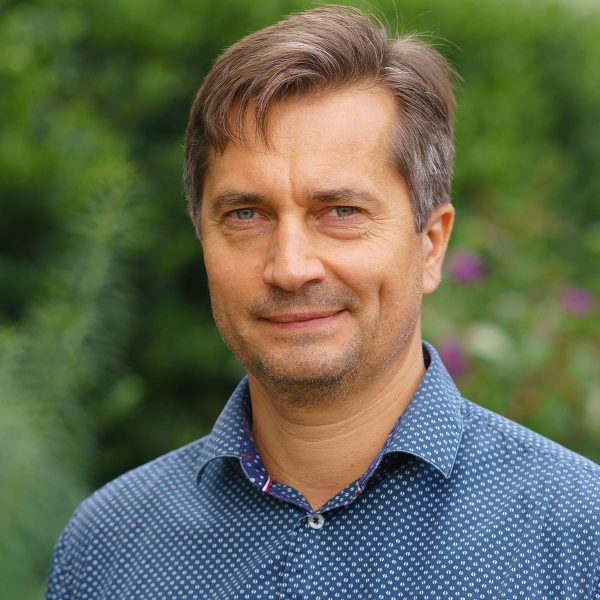
Alexander Ivanov, Associate Professor at Northeastern University – Boston, MA, USA
Alexander earned his Ph.D. in Bioorganic Chemistry at the Shemyakin-Ovchinnikov Institute of Bioorganic Chemistry, Moscow in 2000 before starting a postdoc at Northeastern University. He later joined Harvard University and became Director of the HSPH Proteomic Resource in 2008, before rejoining Northeastern, where he is currently working as Associate Professor at the Department of Chemistry & Chemical Biology Alexander’s research interests include characterization of PTMs and protein isoforms, deep proteomics profiling of limited biological samples, ultra-low flow separation techniques such as capillary electrophoresis and extracellular vesicle analysis.

Ryan T. Kelly, Full Professor at Brigham Young University – Provo, UT, USA
Ryan received his Ph.D. in analytical chemistry from BYU in 2005 before spending the next 13 years at PNNL, ultimately serving as Senior Research Scientist, Manager and Chief Technologist for EMSL, a national scientific user facility at PNNL, where he developed the popular nanoPOTS platform. Ryan is (co-)author of >100 publications, has won several awards and is named inventor on a number of licensed and commercialized patents. He focuses on technological improvements for ultrasensitive proteomic analyses and is currently Associate Professor at BYU.

Adriana F. Paes Leme, Brazilian Biosciences National Laboratory, Campinas, Brazil
Adriana F. Paes Leme received her Ph.D. from the State University of Campinas, Brazil, before conducting postdoctoral research at the Butantan Institute in São Paulo, Brazil, and the University of Virginia School of Medicine, VA, USA. Since 2009, she has been a Principal Investigator and Head of the Mass Spectrometry Facility at the Brazilian Biosciences National Laboratory (LNBio), part of the Brazilian Center for Research in Energy and Materials (CNPEM). Her research focuses on advancing mass spectrometry-based proteomics to understand diverse microenvironments, primarily in head and neck cancer, with a particular emphasis on biofluid proteomics, spatial proteomics, and, more recently, single-cell proteomics.
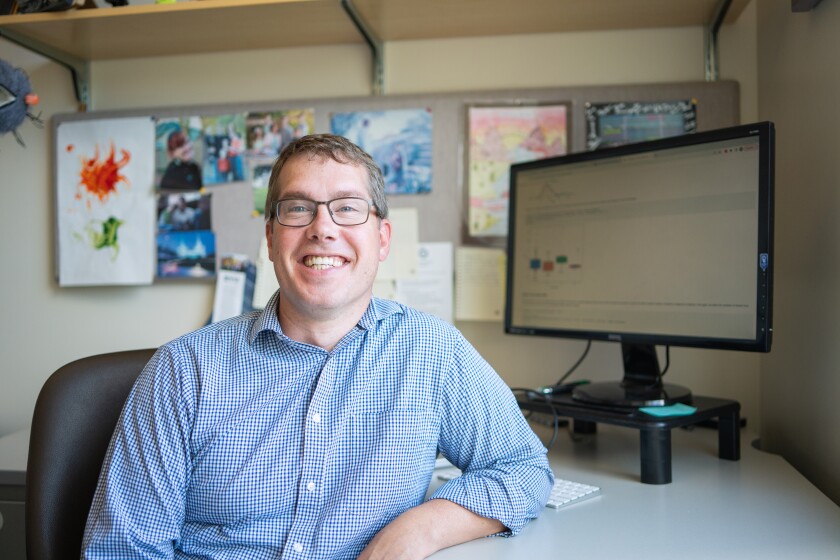
Samuel Payne, BYU, Department of Biology, Provo, Utah
Dr. Payne’s research interests are focused on algorithms for (single cell) proteomics data analysis and subsequent interpretation and integration. His projects often focus on applications in human disease such as cancer. He has led a wide variety of projects over the past 15+ years as an independent and collaborative
researcher. Before joining BYU, Dr. Payne was an Senior Research Scientist at the Pacific Northwest National Laboratory and an Assistant Professor of Informatics at the J. Craig Venter Institute.

Florian Rosenberger, Karolinska Institute, Stockholm, Sweden
Florian Rosenberger works as Assistant Professor at the Karolinska Institute. Before he was working with Prof. Matthias Mann as EMBO postdoctoral fellow at the Max Planck Institute of Biochemistry in Martinsried, Germany. He holds a PhD in mitochondrial biology from the Karolinska Institute. Florian’s research in the field of MS-based single cell proteomics centers around understanding the metabolic niches in both healthy and diseased contexts. His work primarily focuses on liver biology, encompassing the development of a single-cell proteomics map to unravel the spatially dependent proteome of hepatocytes.
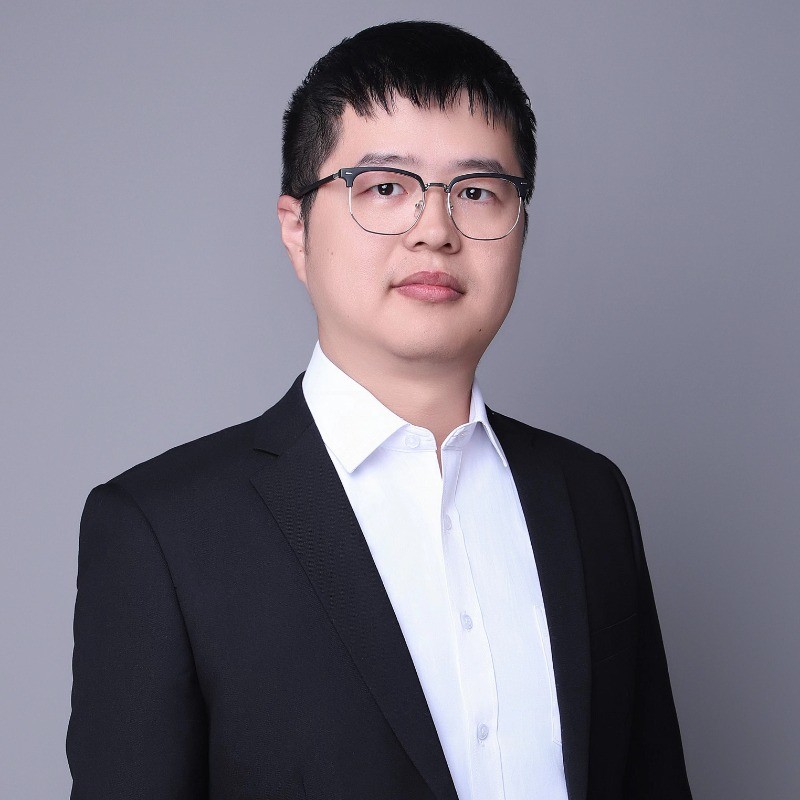
Zilu Ye, Chinese Academy of Medical Sciences, Suzhou, Jiangsu, China
Zilu Ye completed his PhD and postdoctoral training at the University of Copenhagen, before joining the Suzhou Institute of Systems Medicine as Assistant Professor in 2023. His work focuses on developing cutting‑edge mass spectrometry–based proteomics technologies, including highly sensitive, high‑throughput single‑cell proteomics and glycoproteomics methods such as Chip‑Tip, One‑Tip, and Glyco‑DIA. Zilu has authored more than 30 SCP publications, including first‑ or corresponding‑author papers in leading journals such as Cell, Nature Methods, and Nature Biotechnology. He serves on the HUPO Biology/Disease Human Proteome Project committee and has been recognized with honors including the “Rising Star” Award in Chinese proteomics, reflecting his contributions to advancing single‑cell and multidimensional omics research.
Sponsors
Gold




Silver









Bronze
